EROSION IN BLOOMAn interdisciplinary collection of sculpture, performance, film, and drawing that explores cycles of growth, decay, and renewal through the relationships between body, landscape, and the built environment.
Film in collaboration with model, Sarah McCullough, and filmmaker, Christian Spraungel.
The sculptures exist between architecture, ruin, and geological form. Through performance, they are activated as sites of transformation, guided by gestures of growing, blooming, softening, and eroding.
The film follows the body through landscape and structure, creating space for reflection on the ways growth, decay, and renewal unfold simultaneously within living and built systems. The photographs and drawings extend beyond observation, exploring hidden entanglements between body, landscape, and built form. Through fragmented imagery and shifting scales, they consider what persists beyond the limits of perception.
Together, the works reflect on how bodies, landscapes, and constructed environments continually shape one another through ongoing cycles of transformation.
Contact me directly if interested in purchasing a piece from this collection.
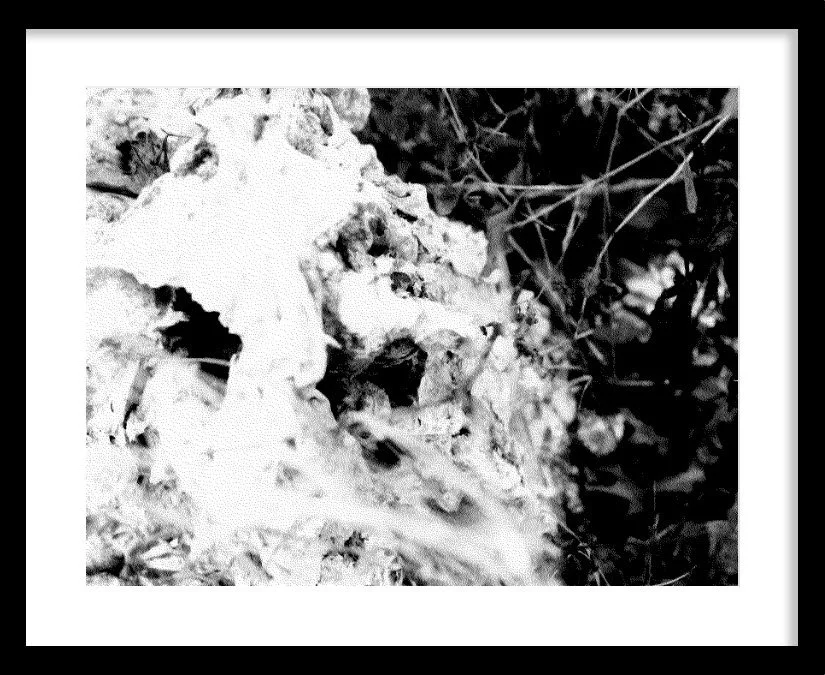
Becoming by Korynn Newville (2020), Archival pigment print | $450
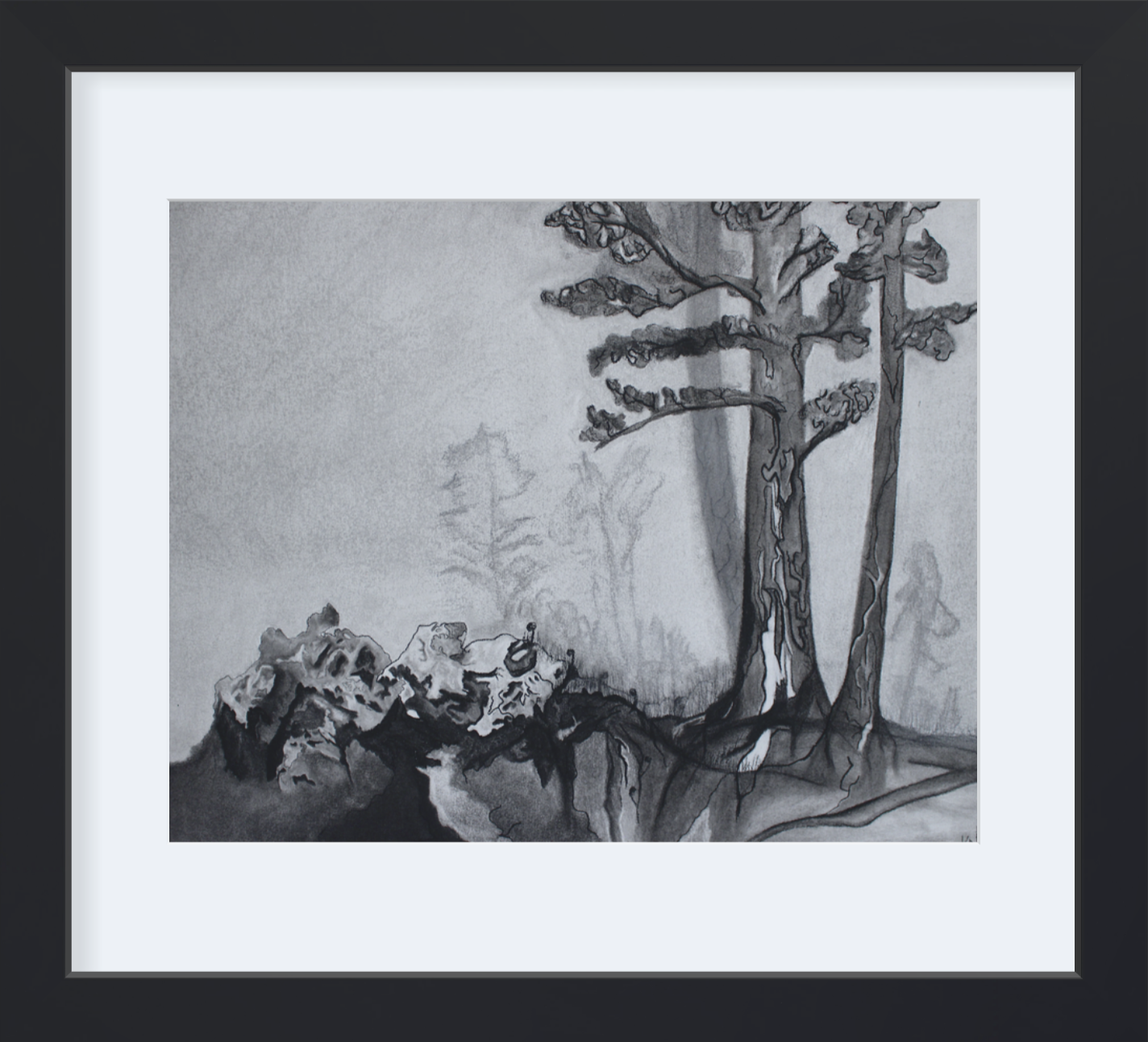
Embedded by Korynn Newville (2026), Charcoal on paper, 16 x 20 in | $950
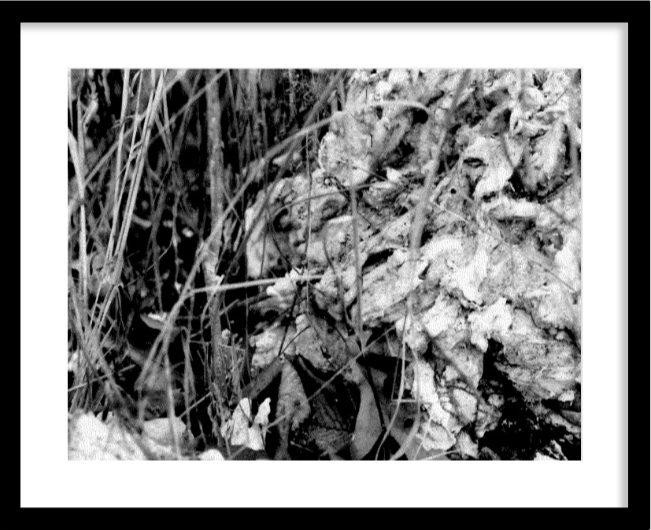
Entangled by Korynn Newville (2020), Archival pigment print | $450
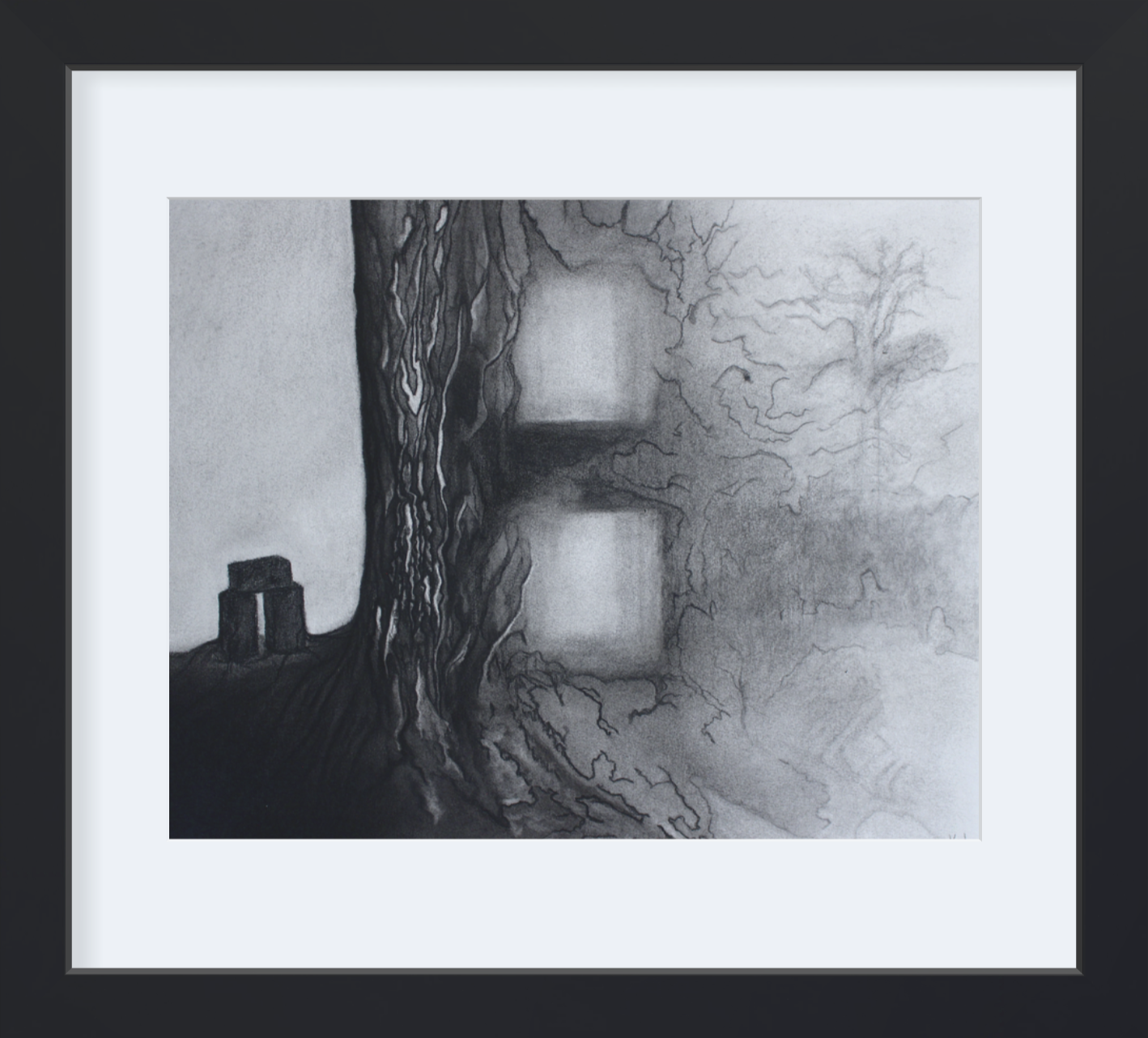
Notice by Korynn Newville, Charcoal on paper, 16 x 20 in | $950
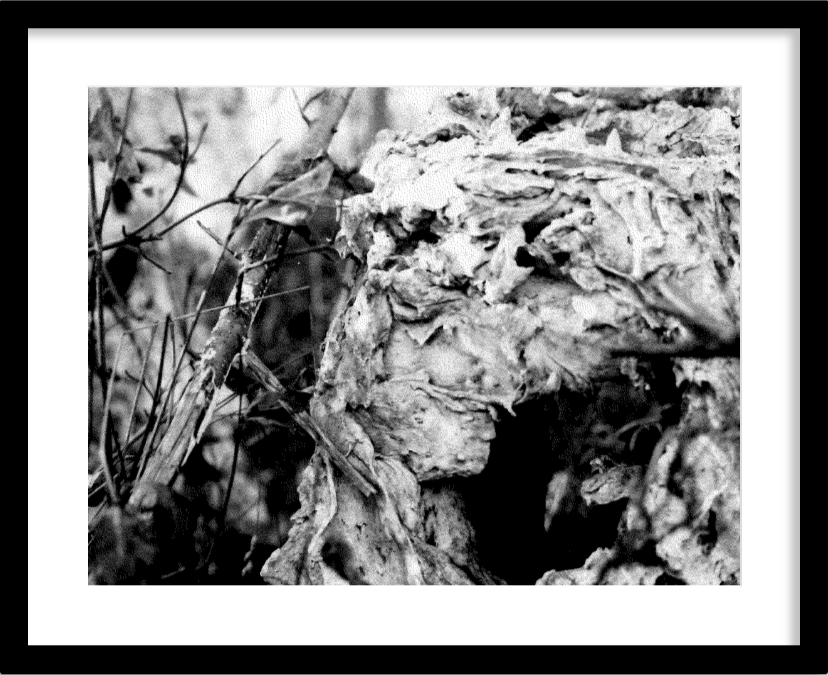
Opening by Korynn Newville (2020), Archival pigment print | $450
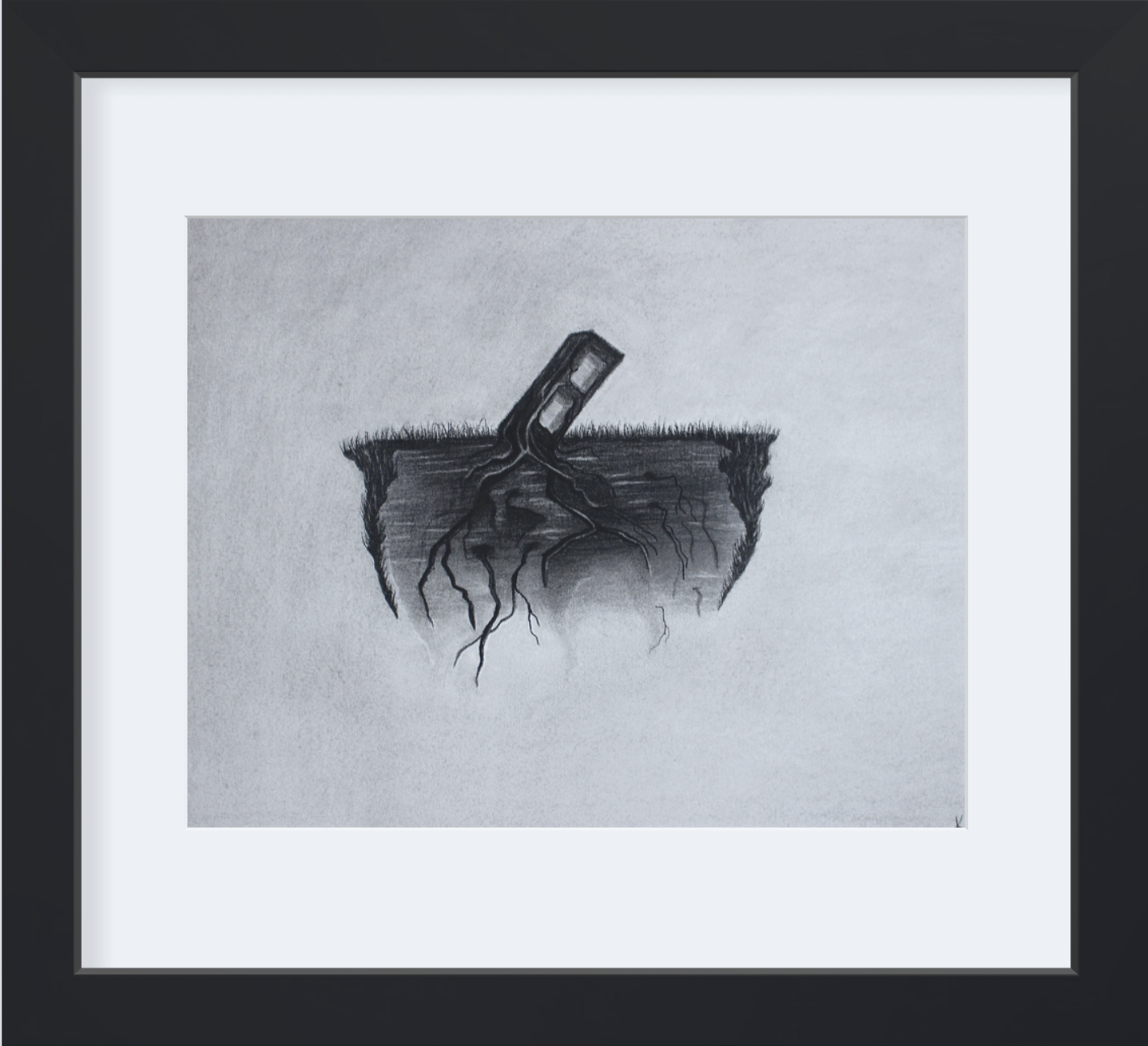
Reciprocal by Korynn Newville (2026), Charcoal on paper, 16 x 20 in | $950
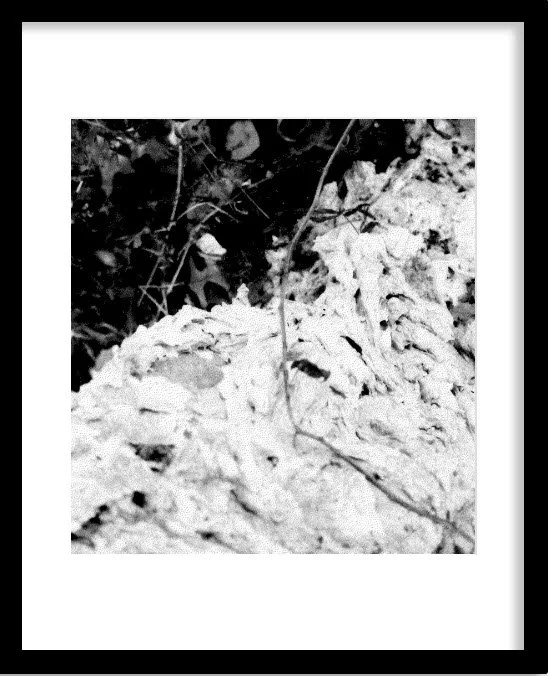
Softening by Korynn Newville (2020), Archival pigment print | $450